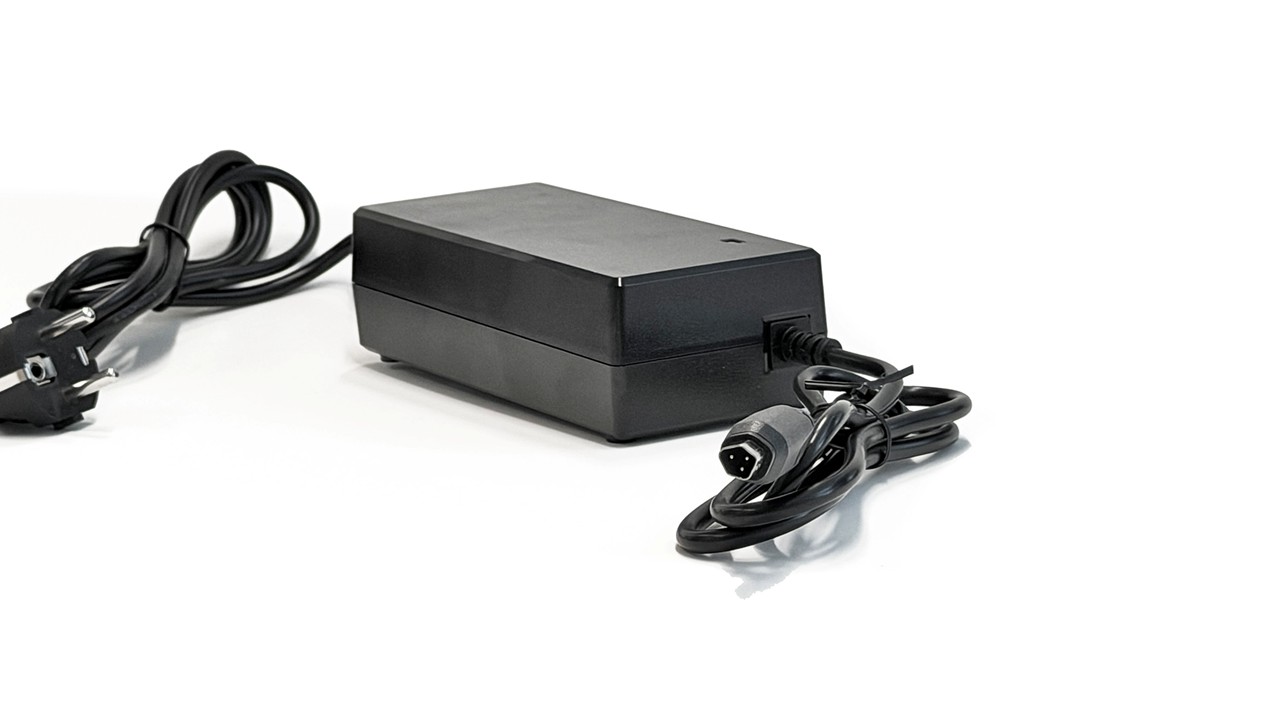
Amslod 36V charger with 3-pin plug (42V 2A - RAP electric bikes

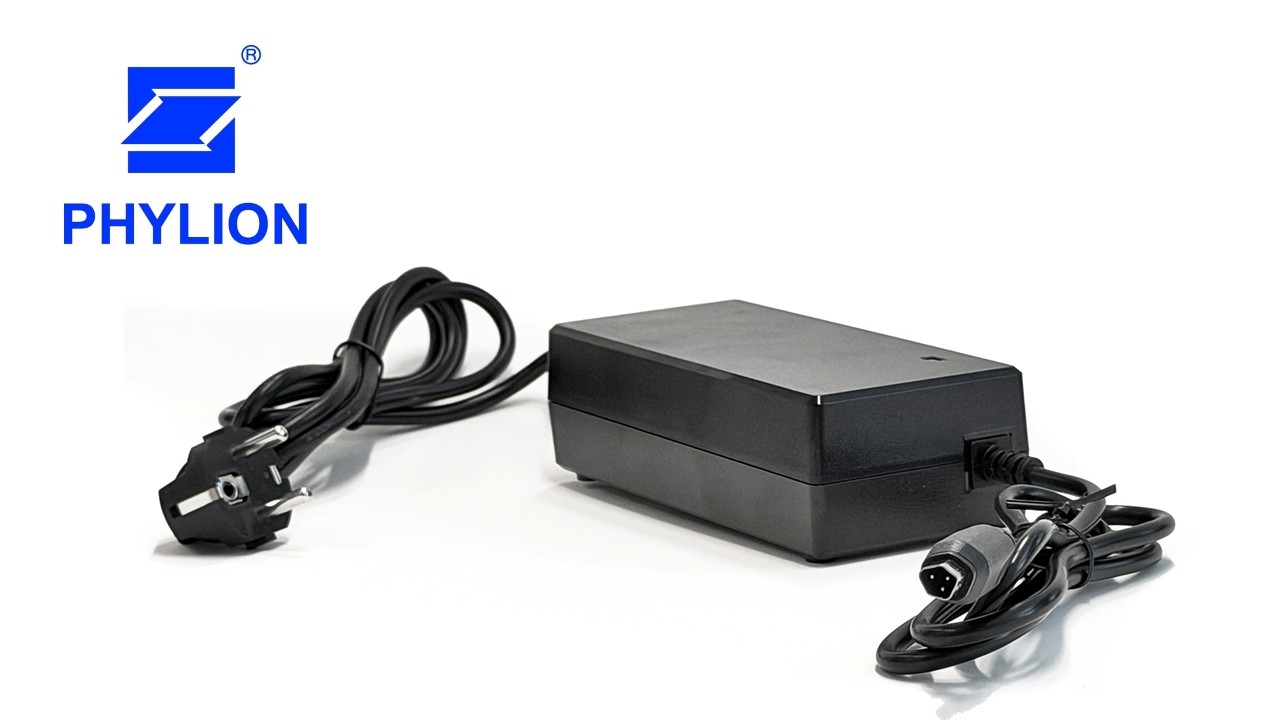
Phylion 36V charger with 3-pin connector (42V 2A)

EAN: 9503124646341

Original price was: €59,95.Current price is: €49,95.

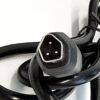
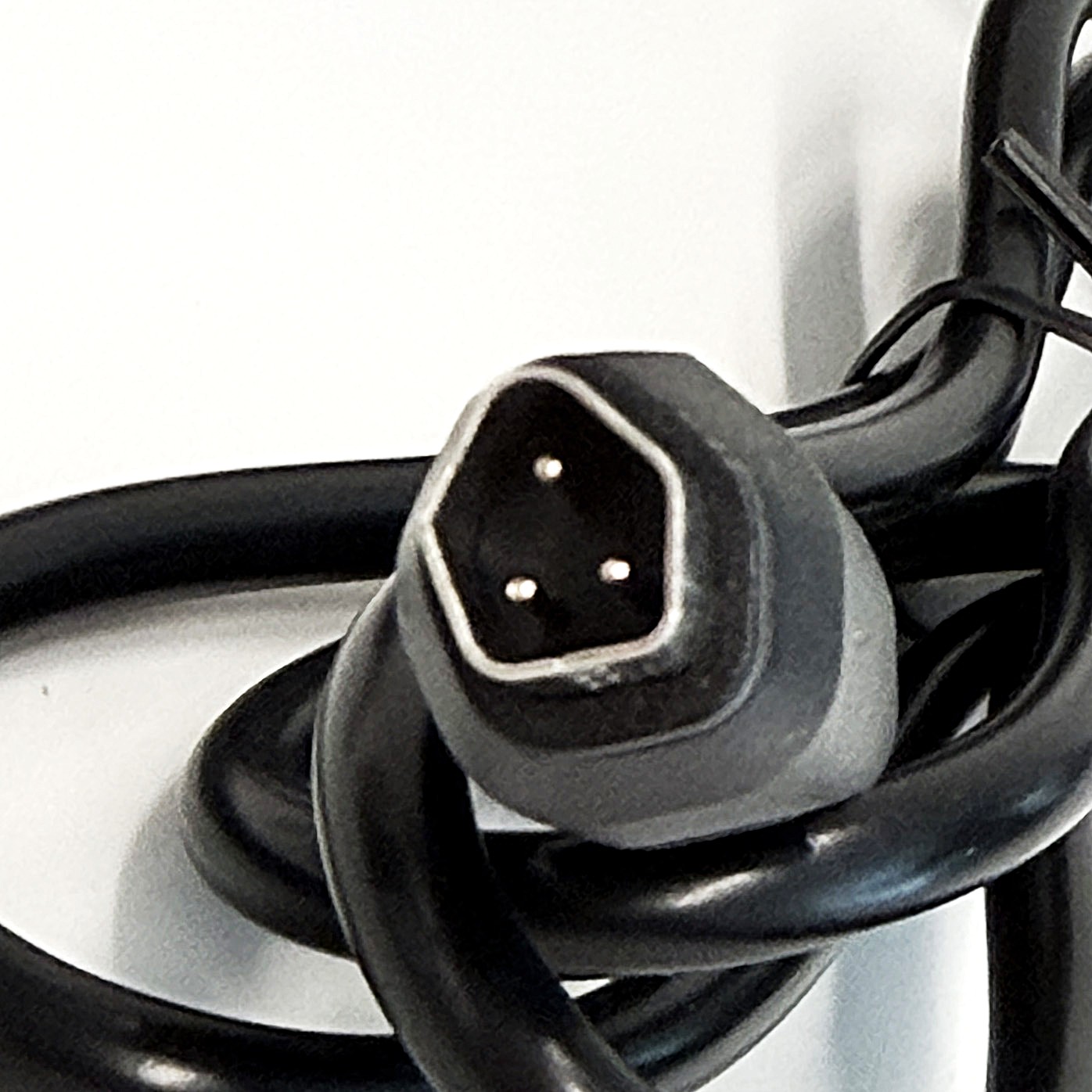
Stekkeraansluiting 3-polig (5 hoekig)
Plug connection3-pin (pentagonal)Check this matches the plug on your battery
Original charger
suitable for Amslod, Cortina, Fischer etc.

Pay safely afterwards with Billink!

Product specifications

Specification Description
Brand Phylion/ Sans
SKU 5486
EAN 9503124646341
Warranty 12-month manufacturer’s warranty
Output voltage 42V
Output current 2A
Connection (plug) 3-pin (pentagonal metal plug)
Charging cable length approx. 2.5m
Weight approx. 600g
Technology Suitable for standard/smart BMS

Related products

[aw_product_reviews]

Product description

Charger for 36V (Phylion) bicycle batteries with 3-pin charging plug

This original charger is suitable for e-bikes with a 36V/37V bicycle battery with a 3-pin plug (pay close attention to the shape of the plug!).

The charger works seamlessly with both standard and smart BMS, making it suitable for various e-bike brands.

Reliable quality as originally supplied

This charger is produced by Sans (Wuxi Sans), the OEM manufacturer that supplies chargers for Phylion/Joycube as well as various A-brand e-bikes. This means you are choosing a charger with the same technology and reliability as the chargers standardly supplied by bike brands with their bicycle batteries.

Why a 42V charger belongs with a 36V battery

Although the battery says 36V (or 37V), a bicycle battery is charged to approximately 42V when fully charged. This is because 36V batteries have 10 battery cells connected in series that are each charged up to 4.2V: 10×4.2=42. Therefore, 36V Li-ion batteries use a 42V charger.

The designation 2A (2 amps) indicates the charging current, or the speed at which the battery is charged. In practice, this means that an empty 14.5Ah battery fully charges in just over 7 hours.

Charging e-bike batteries & extending lifespan

How you charge and use an e-bike battery has a major impact on performance and lifespan. By handling charging and storage smartly, you prevent unnecessary wear and get the most out of your battery.

Read everything about e-bike battery charging and battery management HERE: Battery Management

Charger not working? How to identify the problem

Does your charger seem to have stopped working or is your battery not charging (properly)? In many cases, it’s not immediately clear whether the problem lies with the charger or the battery. Causes can range from a faulty connection (RCA plug) to a problem in the battery or a malfunction in the charger itself.

Not sure where the problem lies? Follow our self-diagnosis step-by-step plan and easily discover whether your charger or battery needs to be replaced. Click HERE for the self-diagnosis (=Charger or battery defective?).

This charger with a 3-pin plug for Phylion (model number SSLC084V42M) is manufactured by Wuxi Sans Electronics, the producer that also manufactures this charger for Phylion/Joycube, and delivers an output voltage of 42V, 2A. This charger is suitable for Phylion 36 & 37 volt batteries with a tulip connector and both standard and smart BMS systems. The charger is compatible with Phylion models, including:

  • SSLC084V42XH
  • SSLC084V42X
  • SSLC084V42X-01

First check if the power outlet is working and if the light on the charger is lit, indicating the charger is properly connected to the mains. If the light does not turn red, check if the plug is making proper contact with the battery (sometimes it helps to press the plug firmly). Is the battery still not charging? Then the problem could be in the charger or the battery. Use our step-by-step plan to easily test this yourself.

If the charger light does not illuminate, there is a high probability the charger is defective. If the light is on but the battery does not charge (light stays green), the problem often lies with the battery or the connection. By testing another charger (if possible), you can quickly rule this out.

Yes, provided you choose a charger with the correct specifications that is also suitable for charging batteries with smart BMS.

Yes, this charger is suitable for both standard BMS and Smart BMS systems.

42V is the correct maximum charging voltage for 36V and 37V e-bike batteries (such as Phylion XH370 and EBG370/ 360). 2A (ampere) indicates the charging speed (2 amperes per hour). This is the standard and recommended charging current for these batteries.

Yes, it’s normal for a 42V / 2A charger to get (quite) warm during charging. Just make sure the charger is in a well-ventilated place and is not covered.

A green light means the battery is connected to the mains (220-240V), but is not charging. Normally, with a connected charger, this means the battery is fully charged. If the battery is not fully charged but the light remains green when connecting the charger (first battery to charger, then charger to mains), this may indicate a problem with the battery or charger.

This charger is suitable for 36V Phylion & Joycube batteries (XH, EBG, EBT series) batteries with standard or smart BMS system with 3-pin plug connection for, among others:

  • Amslod
  • Cortina
  • Fischer
  • Veloci
  • Vogue
  • Minerva
  • etc.

Proper battery management is essential for a long lifespan and years of cycling pleasure.

Principles for good battery management:

  1. The battery stays in best condition through regular use (charging and discharging the battery). Insufficient use can lead to problems (imbalance between or even defective battery cells) resulting in capacity loss.
  2. The battery wears out through use (= charging/discharging) and through age (= the chemical process in the battery cells).
  3. The battery performs best at a temperature of approx. 25 degrees Celsius. At this temperature, the maximum battery capacity is reached.
  4. The battery stays best conditioned at low temperatures (above freezing) because the chemical aging process is slowest then.
  5. If the battery is empty, it must be charged immediately to avoid deep discharge. Deep discharge occurs when the battery voltage drops below the level at which the battery management system still recognizes the connected charger. This makes charging impossible.

For more information on managing your battery, click HERE.

Privacy Overview

This website uses cookies so that we can provide you with the best user experience possible. Cookie information is stored in your browser and performs functions such as recognising you when you return to our website and helping our team to understand which sections of the website you find most interesting and useful.