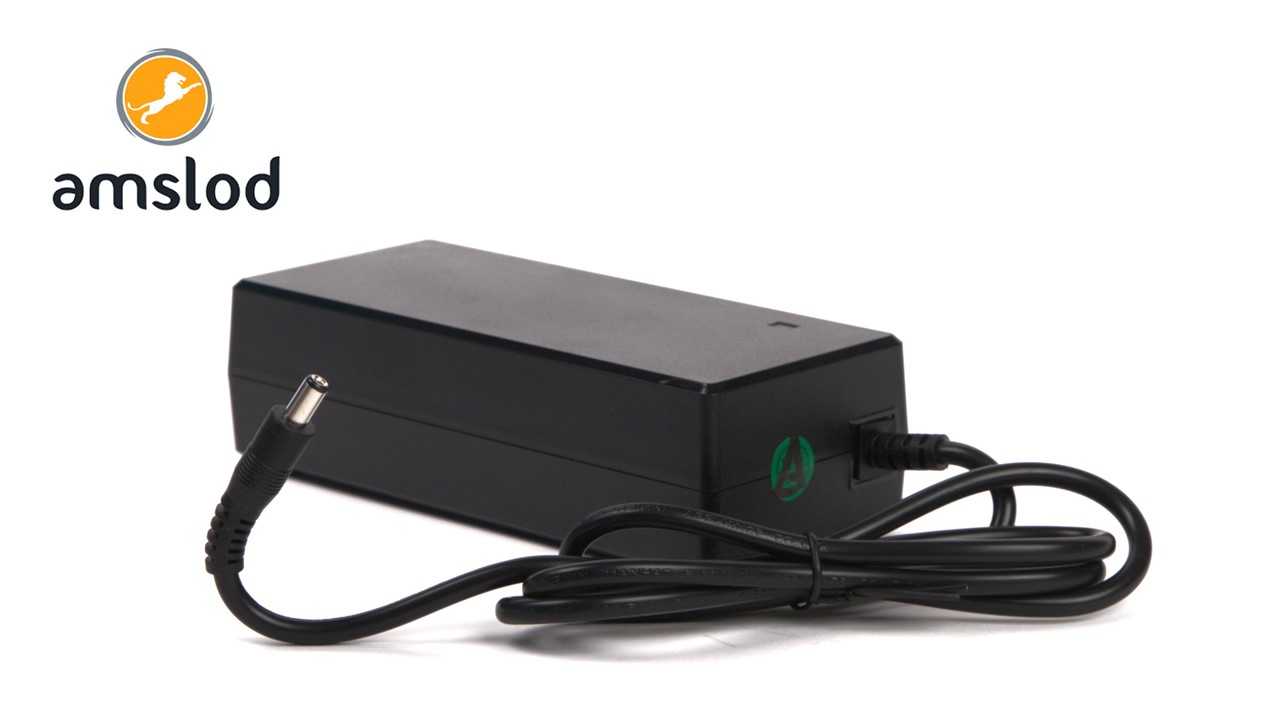
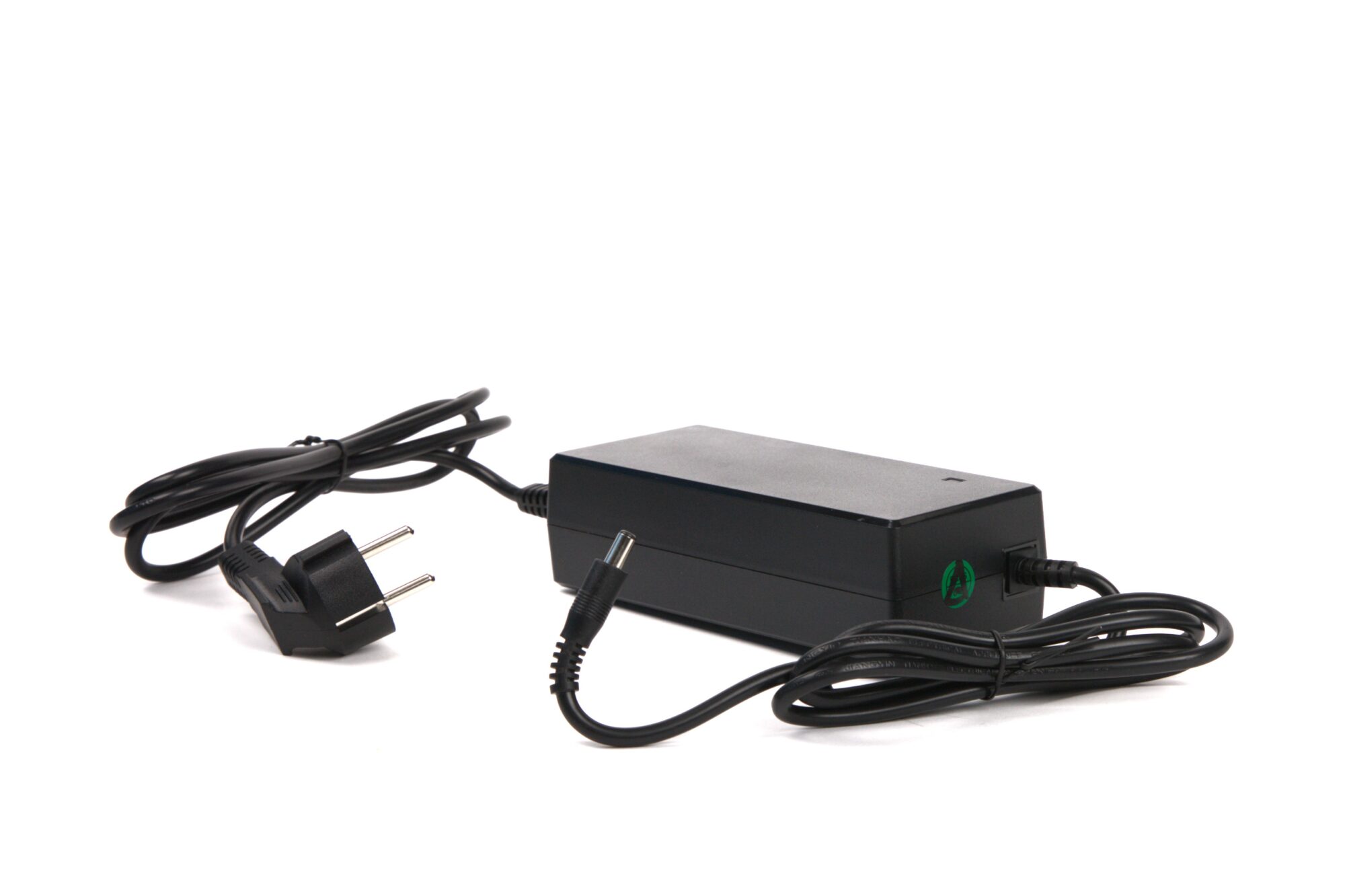
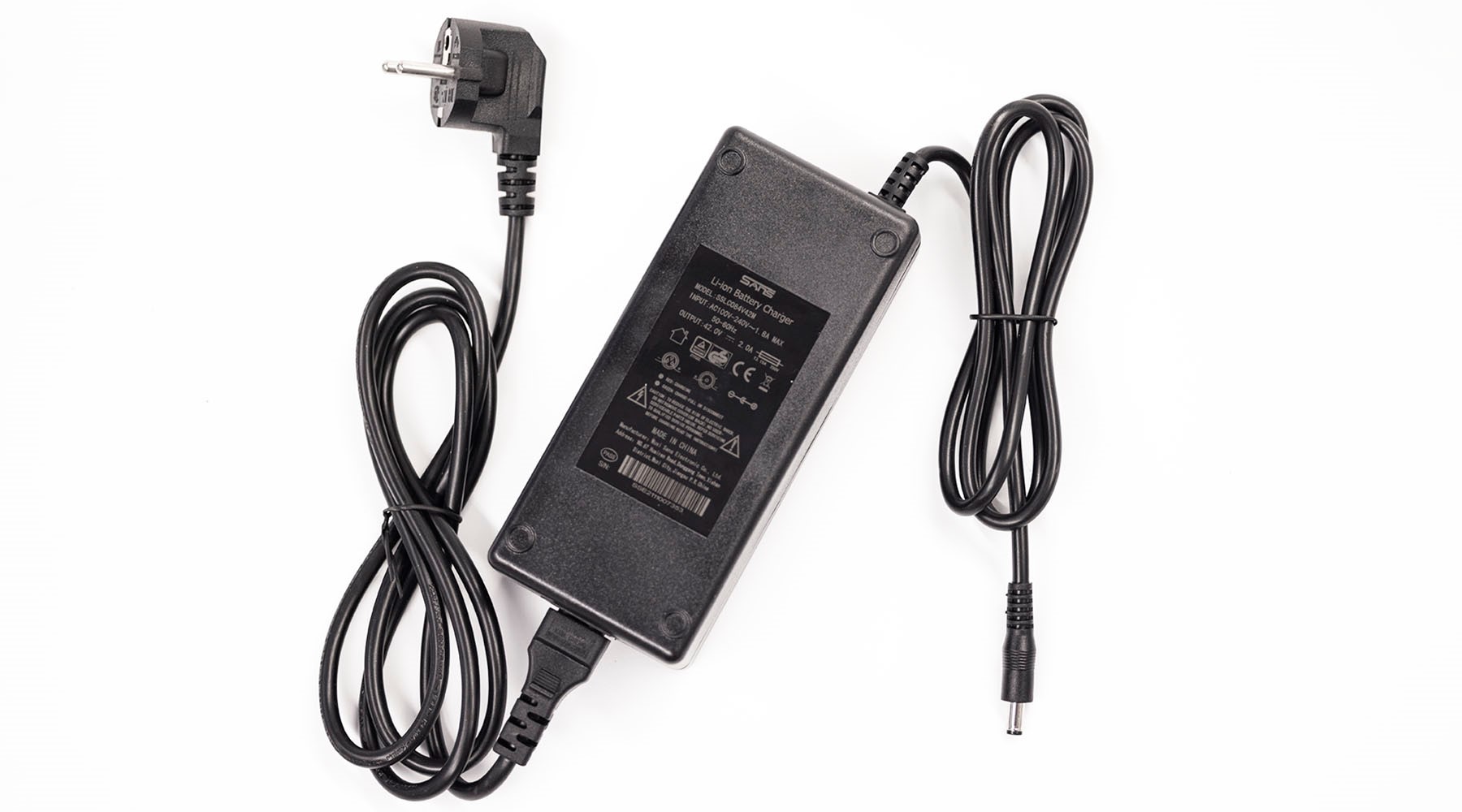
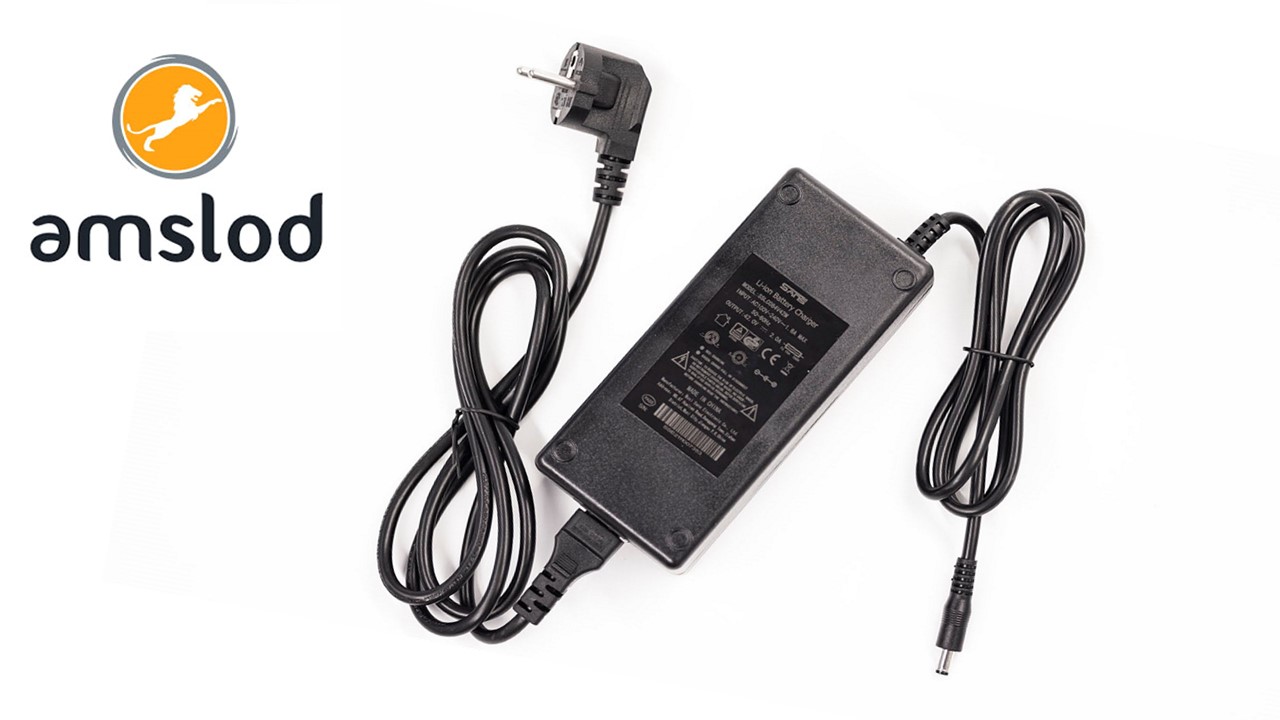
Amslod e-bike charger 36 series (42V, 2A)

Original price was: €59,95.Current price is: €49,95.

For 36-series batteries (2015-2019)

Pay safely afterwards with Billink!

Product specifications

Specification Description
Brand Sans (OEM manufacturer for various bike brands)
SKU 5484-1
EAN 9504868677929
Warranty 12-month manufacturer’s warranty
Output voltage 42V
Output current 2A
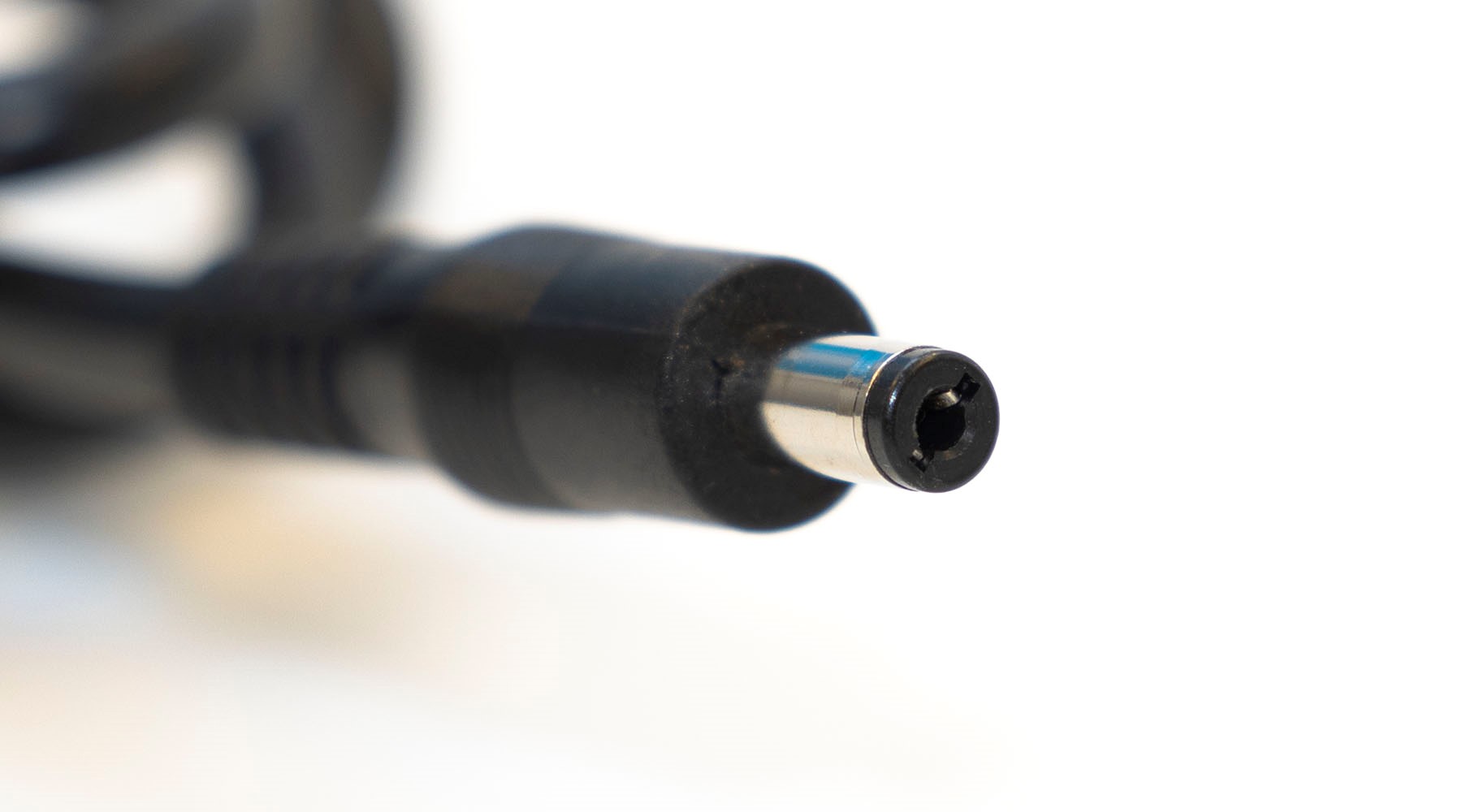
Connection (plug) 2-pin 5.5×2.1 DC
Charging cable length approx. 2.5m
Weight approx. 600g
Technology Suitable for standard/smart BMS

Related products

[aw_product_reviews]

Product description

Amslod charger for 36-series batteries (Platina XL, Platina Xtra, Platina Plus)

This original Sans charger is suitable for Amslod 36 Volt batteries from the 36-series (produced from 2015-2019).

Reliable quality as originally supplied

This charger is manufactured by Sans, the OEM manufacturer that supplies chargers for various e-bike brands. This means you are choosing a charger with the same technology and reliability as the chargers originally supplied by Amslod with the bike battery.

Why a 42V charger belongs with a 36V or 37V battery

Although the battery says 36V or 37V, an e-bike battery is charged to approximately 42V when fully charged. This is because the lithium cells in the battery are each charged to 4.2V: 10×4.2=42. Therefore, all Amslod batteries in this category use a 42V charger.

The 2A (2 ampere) designation indicates the charging current, or the speed at which the battery is charged. In practice, this means a 13Ah battery takes about 6 to 7 hours to fully charge.

In addition to 2A, this charger is also available as a fast charger with 4A, or double the charging speed. Check beforehand if your battery is suitable for fast charging. Charging with a higher amperage can lead to extra wear and a shorter battery life if the battery is not suitable for it.

Charging e-bike batteries & extending lifespan

How you charge and use an e-bike battery has a major impact on performance and lifespan. By handling charging and storage smartly, you prevent unnecessary wear and get the most out of your battery.

Read everything about e-bike battery charging and battery management HERE: Battery Management

Charger not working? How to identify the problem

Does your Amslod charger no longer seem to work or is your battery not charging (properly)? In many cases, it is not immediately clear whether the problem lies with the charger or the battery. Causes can range from a faulty connection (RCA plug), a problem in the battery, to a malfunction in the charger itself.

Not sure where the problem lies? Follow our self-diagnosis step-by-step plan and easily discover whether your charger or battery needs to be replaced. Click HERE for the self-diagnosis (=Charger or battery defective?).

RAP also offers the fast charger version of this charger with double the charging speed: 4A instead of 2A. Click HERE for the fast charger version. Check beforehand if your battery is suitable for fast charging.

Check the connection of your current charger or battery. 5.5. in this case stands for an outer diameter of the charging plug of 5.5 mm, 2.1 stands for the inner diameter of 2.1 mm. If you don’t have a caliper, you can try to determine the outer diameter of the plug with a ruler, for example.

a. A 36V or 37V lithium e-bike battery is fully charged to approximately 42V. That is why these batteries use a 42V charger.

That depends on the battery capacity. A 13Ah battery takes about 6 to 7 hours on average to fully charge (13Ah divided by 2A = 6.5 hours).

Yes, this charger works with many 36V/37V batteries with both standard BMS and smart BMS, provided the correct DC connection is used.

Not always. Many 36V e-bike batteries are designed for 2A charging. A higher charging current can cause extra heat and accelerated wear.

Suitable for Amslod batteries from the 36-series (Platina XL, Platina Plus, Platina Xtra etc.). These are used on models including:

  • Hamilton
  • Aston
  • Croft
  • Highland
  • Hilston
  • etc.

Proper battery management is essential for a long lifespan and years of cycling pleasure.

Principles for good battery management:

  1. The battery stays in the best condition through regular use (charging and discharging). Insufficient use can lead to problems (imbalance between or even defective battery cells) resulting in capacity loss.
  2. The battery wears out through use (= charging/discharging) and through age (= the chemical process in the battery cells).
  3. The battery performs best at a temperature of approximately 25 degrees Celsius. This is where maximum battery capacity is reached.
  4. The battery is best kept in good condition at low temperatures (above freezing point) because this is when the chemical aging process takes place most slowly.
  5. If the battery is empty, it must be charged immediately to avoid deep discharge. Deep discharge occurs when the battery voltage drops below the level at which the battery management system still recognizes the connected charger. This makes charging impossible.

For more information on managing your battery, click HERE.